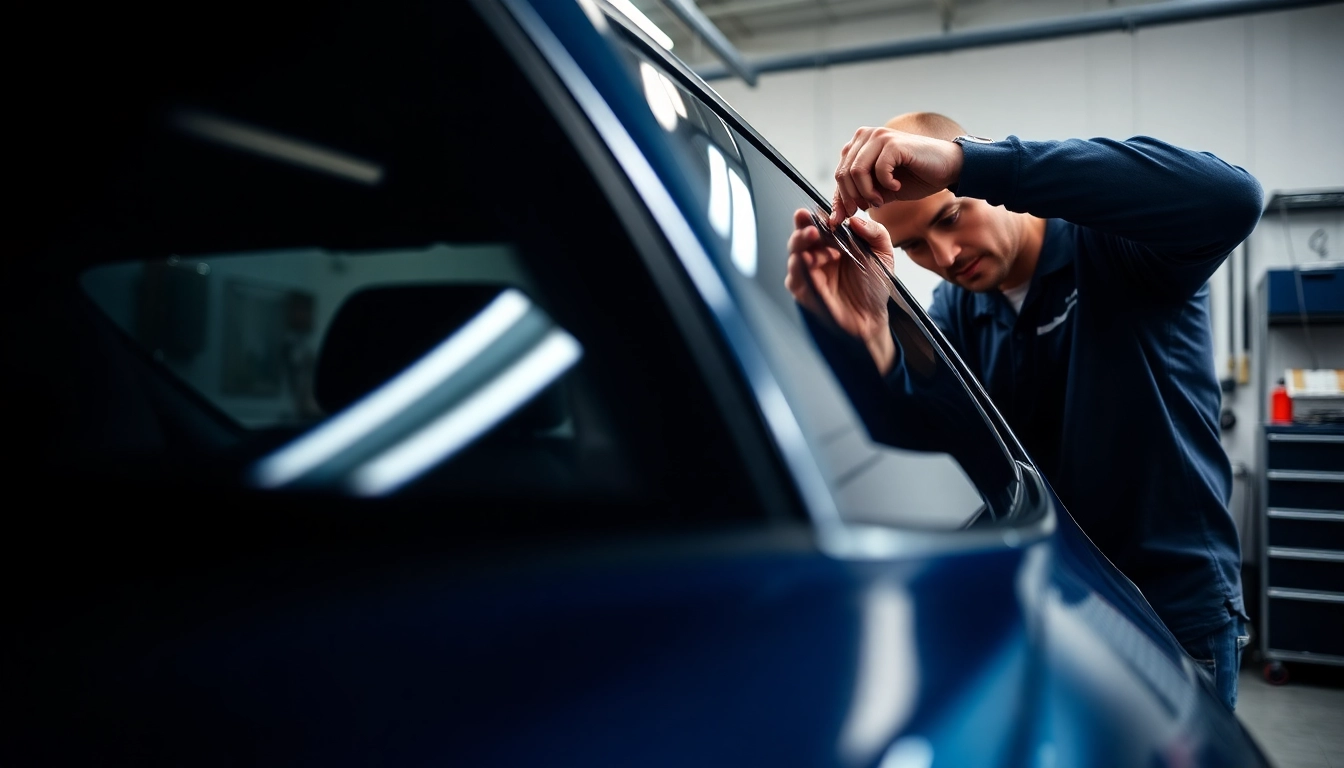
Understanding the Benefits of Window Tint
Window tinting is more than just a trendy enhancement for vehicles; it is a practical addition that offers numerous benefits for car owners. From improving aesthetics to providing essential health and comfort perks, incorporating the best window tint Chattanooga TN can significantly elevate your driving experience. This article delves into the myriad advantages of window tinting, making it clear why this is a worthy investment for any vehicle owner.
Enhanced UV Protection
One of the standout benefits of window tint is its remarkable ability to block harmful ultraviolet (UV) rays. Prolonged exposure to UV rays is linked to serious health issues, including skin cancer and premature aging. High-quality window films can block up to 99% of these rays, safeguarding both the driver and passengers from potential health risks. By reflecting UV rays, tinted windows also protect your vehicle's interior, preventing fading and wear, which can help maintain the resale value of your vehicle.
Improved Privacy and Security
Another significant advantage of window tinting is enhanced privacy. Tinted windows prevent outsiders from easily peering into your vehicle, safeguarding your belongings and creating a sense of security. This is particularly beneficial in high-traffic urban areas or during stops at busy locations. Furthermore, tinted glass provides an additional layer of protection against break-ins. In the event of an accident or attempted break-in, window films can hold shattered glass together, reducing the risk of injury from flying shards.
Energy Efficiency Features
Energy efficiency is increasingly important in today's world, and window tinting can play a key role in reducing energy costs. By reflecting heat, window tints can help maintain a more constant temperature within your vehicle, allowing less reliance on air conditioning. This results in fuel savings and a more comfortable ride. In addition, a cooler cabin decreases strain on your vehicle's HVAC system, which can prolong its lifespan and improve overall efficiency.
Choosing the Right Window Tint for Your Needs
With various window tint options available, selecting the right one can be overwhelming. However, understanding the types of window tints and key factors can simplify the decision-making process. This section will guide you through the various options to help you find the perfect fit for your vehicle.
Types of Window Tints
Window tints come in different styles, each offering unique benefits:
- Dyed Window Film: This type of film absorbs solar energy to reduce glare and heat. It’s affordable but may not provide the highest UV protection.
- Metalized Window Film: Containing small metallic particles, this film reflects heat and enhances durability. However, it may interfere with radio signals.
- Carbon Window Film: Known for its non-reflective matte finish and excellent UV protection, carbon tint is durable and helps keep interiors cool without a shiny appearance.
- Ceramic Window Film: The premium option, ceramic films block UV rays and heat without metal, ensuring no interference with electronic devices while achieving maximum durability.
Factors to Consider
When choosing window tint, consider several factors:
- Local Regulations: It is crucial to understand local tinting laws, as different states have varying restrictions on visible light transmission (VLT).
- Type of Vehicle: The choice of tint may differ depending on the vehicle's purpose and design.
- Your Preferences: Decide whether you prefer a traditional dark tint for privacy or a lighter option for visibility.
- Climate: Consider your local climate; in hotter regions, a tint that effectively blocks solar heat may be more beneficial.
Budgeting for Window Tint Services
When planning for window tinting, it is essential to establish a budget. Prices can vary based on the type of tint, the number of windows being tinted, and the complexity of installation. Quality materials generally come at a higher price, but they offer better longevity and performance. It's advisable to request a few quotes from local professionals to compare pricing and services, ensuring you select the best fit for your budget and needs.
The Installation Process Explained
Understanding the installation process will give you a clearer picture of what to expect when getting your windows tinted. Here’s an overview of the process to ensure a smooth experience.
Pre-Installation Preparation
Before installation, the vehicle should be thoroughly cleaned, with special attention given to the windows being treated. This includes removing any dirt, dust, and grime, which can interfere with adhesion. It’s also advisable to remove window film if your vehicle previously had it. Before the appointment, ensure that the car is parked in a shaded area or a garage to avoid direct sunlight during installation, which can affect the tint's application.
Steps of Professional Installation
The installation process typically involves several key steps:
- Measuring and Cutting: The technician will measure each window to prepare the tinted film accordingly.
- Preparing the Window: The surface of the window is cleaned again to ensure optimal adhesion.
- Applying the Tint: The film is carefully applied to the interior side of the window, using a squeegee to remove bubbles and ensure perfect adhesion.
- Trimming and Finalizing: Once applied, the film is trimmed to fit perfectly along the edges of the glass.
Post-Installation Care Tips
After your window tinting is complete, there are a few essential care tips to ensure longevity:
- Avoid rolling down windows for at least a few days to allow proper adhesion.
- Do not clean the windows with ammonia-based cleaners, as they can damage the film.
- Use soft, non-abrasive cloths for cleaning, and gentle cleaning solutions designed for tinted windows.
Local Regulations and Compliance
Window tinting laws can vary significantly from state to state, making it essential to familiarize yourself with the regulations in Chattanooga, TN. Staying compliant ensures that you avoid potential fines and legal issues.
State Regulations on Window Tint
In Tennessee, the law regulates the darkness and reflectiveness of window films. For passenger vehicles, the front windshield must allow more than 70% of light in, while for side windows, the VLT must not be less than 35%. The rear window can be tinted to any level. It's crucial to consult local regulations to ensure compliance before installation.
Understanding Percentages and Limits
Visible Light Transmission (VLT) percentages indicate how much light is allowed to pass through your windows. understanding these limits can guide your selection of tint. For instance, a tint with a 20% VLT allows only 20% of light to penetrate, while a 50% VLT lets in half the light. Familiarity with these percentages is vital for adhering to legal standards.
Keeping Your Vehicle Legal
To keep your vehicle compliant with local laws, ensure that your window tints meet state requirements. Consulting a professional installer familiar with the regulations can help you make informed decisions on the type and level of tint that complies with the law.
Frequently Asked Questions About Window Tint
What is the best window tint for heat reduction?
Ceramic window tints provide the highest level of heat reduction without interfering with electronic signals. They block 99% of UV rays and considerably lower cabin temperatures.
How long does window tint installation take?
Installation typically takes between 1 to 3 hours, depending on the number of windows being tinted and the complexity of the job.
Can I remove window tint myself?
While it's possible to remove window tint yourself, it's often best left to professionals to avoid damaging the glass and ensuring a clean removal.
How do I maintain window tint?
To maintain tinted windows, use a soft microfiber cloth for cleaning, avoid ammonia-based products, and refrain from rolling down the windows for a few days after installation.
Is window tinting legal in Chattanooga?
Yes, window tinting is legal in Chattanooga, provided that it adheres to state regulations regarding VLT percentages and reflectivity for different vehicle windows.