
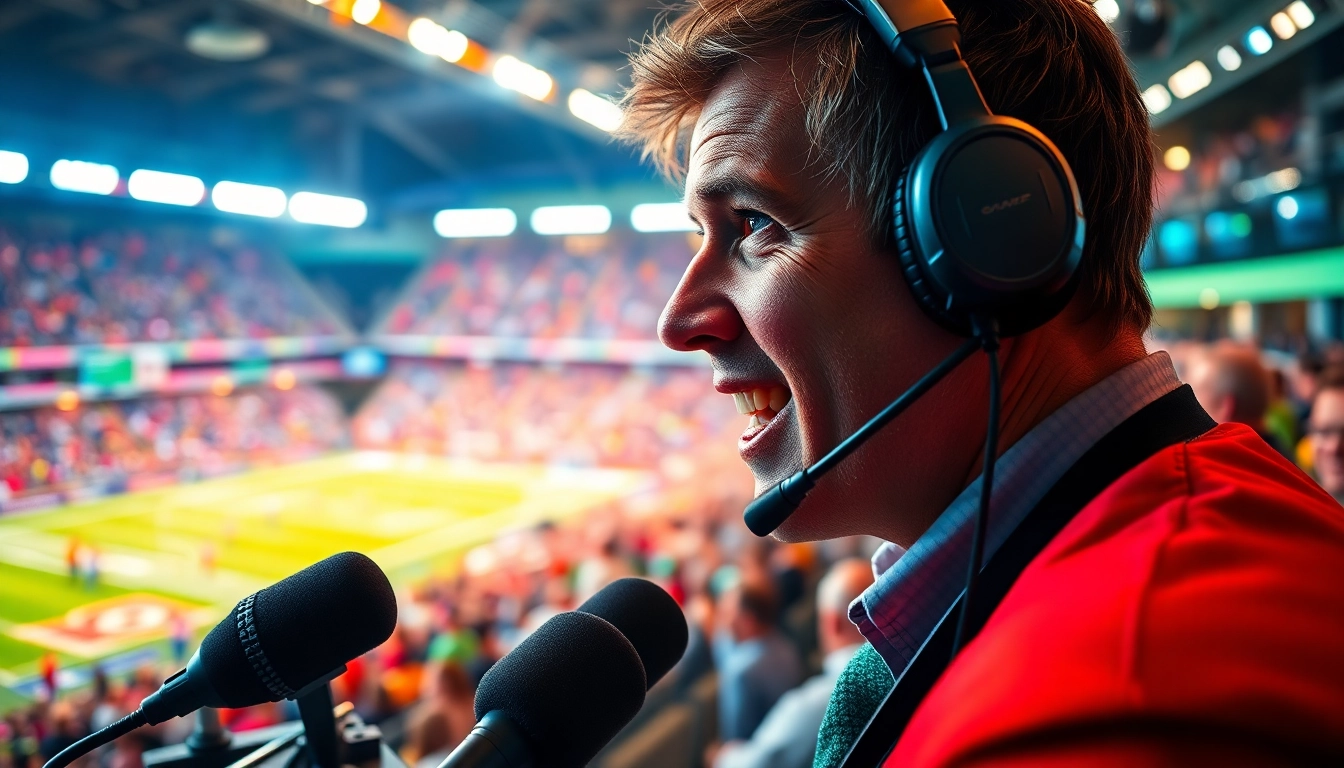
Introduction to Sports Broadcasting
Sports broadcasting has transformed into a dynamic and multifaceted industry, deeply embedded in the fabric of modern culture. From cable television to streaming services, the way we consume sports content is continuously evolving. Sports Broadcasting encompasses various platforms, changing audience engagement, and the technologies that drive it. Understanding this evolution is crucial for anyone trying to navigate the waters of this vibrant sector.
Understanding the Fundamentals of Sports Broadcasting
At its core, sports broadcasting is about delivering live sports events and analyses to audiences through various media platforms. This process combines technical expertise, storytelling, and audience interaction, making it a unique blend of art and science. Broadcasters aim to create an immersive experience, transporting viewers to the venue right from their living rooms. This requires a deep understanding of not only the sport itself but also the preferences and habits of the target audience.
The Evolution of Sports Broadcasting Over the Years
The landscape of sports broadcasting has undergone significant changes since its inception. Initially dominated by radio and later by television, the industry saw seismic shifts with the advent of the internet. Online streaming has democratized access to sports, allowing niche audiences to thrive. Broadcasters are now adapting to these shifts, focusing on mobile platforms and social media to engage viewers in real-time.
The Importance of Audience Engagement in Sports Broadcasting
Engaging audiences has become a focal point for success in sports broadcasting. Traditional methods, such as post-game interviews and highlight reels, have evolved into interactive and personalized content. Fan engagement via social media, polls during live games, and fantasy sports platforms have revolutionized how audiences connect with their favorite teams and players, ultimately influencing broadcasting strategies.
Key Technologies in Sports Broadcasting
Live Streaming: The Future of Sports Broadcasting
Live streaming technology has been a game-changer in sports broadcasting. It offers viewers real-time access to events, making it possible to watch games from any device, anywhere in the world. With organizations like MLB and NBA investing in proprietary streaming platforms, the traditional cable model is increasingly becoming obsolete. Reliable internet connections and improved streaming quality are critical factors driving this shift.
Use of Drones and Aerial Footage in Sports Broadcasting
Drones have introduced a new dimension to sports coverage, allowing for breathtaking aerial shots that enhance storytelling. Aerial footage provides fans with unique perspectives—showing strategies, player formations, and even crowd dynamics during events. As drone technology evolves, it will likely become an industry-standard tool in delivering enriched content.
How Augmented Reality Enhances Sports Broadcasting
Augmented reality (AR) is making waves in the broadcasting arena by creating interactive experiences. AR enhances viewer engagement through visual overlays of statistics, player information, and immersive highlights. Broadcasts now integrate these features, and with specialized AR graphics, broadcasters can provide viewers with richer content that deepens their understanding of the game.
Roles and Responsibilities in Sports Broadcasting
The Announcer's Role in Sports Broadcasting
Announcers serve as the voice of the game. Their responsibilities go beyond simple play-by-play commentary; they inform, educate, and entertain the audience. An effective announcer can elevate the viewer experience by adding context, color, and personality to the broadcast. Well-prepared, they draw on statistical context and engage in storytelling to connect fans to the action.
Behind the Scenes: Producers and Directors in Sports Broadcasting
The role of a producer or director is critical to the seamless execution of a broadcast. Producers oversee content preparation, crafting the show's structure, while directors manage the live feed and camera angles. Their collaboration ensures that viewers receive a polished product and that technical glitches are minimized. Effective communication is essential in this high-pressure environment.
Technical Crew: The Backbone of Sports Broadcasting
The technical crew is fundamental to sports broadcasting's success. This team includes camera operators, sound engineers, and graphic designers who handle the visual and auditory elements of the broadcast. Their role has expanded with the introduction of advanced technologies, requiring constant training and adaptation to new equipment and software. A well-oiled technical crew can make or break a live sports event.
Challenges in the Sports Broadcasting Industry
Managing Rights and Licenses in Sports Broadcasting
Securing broadcasting rights has become increasingly challenging due to competitive bidding and escalating costs. Networks must navigate complex licensing agreements while ensuring compliance with legal requirements. Managing these rights is crucial for content availability, and failure can lead to significant financial losses and viewer dissatisfaction.
Dealing with Competitive Pressure in Sports Broadcasting
The competitive landscape of sports broadcasting has intensified with the rise of digital platforms. Broadcasters must constantly innovate to capture audience attention. This involves not only enhancing the quality of broadcasts but also diversifying content to include behind-the-scenes access, in-depth analyses, and interactive fan engagement strategies. Staying relevant requires agility and creativity.
Adapting Content for Diverse Audiences in Sports Broadcasting
As sports viewership becomes more global, tailoring content to accommodate diverse audiences is essential. Consideration must be given to language, cultural contexts, and regional preferences in presenting content. Broadcasters can leverage data analytics to understand audience demographics better and adapt their strategies accordingly, ensuring that everyone feels included and connected regardless of their background.
Future Trends in Sports Broadcasting
Artificial Intelligence and Its Role in Sports Broadcasting
Artificial intelligence (AI) is poised to revolutionize sports broadcasting in numerous ways. From analyzing game strategies to predicting outcomes and enhancing viewer experiences through personalized content, AI is becoming a vital tool. Automated highlights and real-time analytics can engage fans while freeing up resources for deeper storytelling and engagement strategies.
The Impact of Social Media on Sports Broadcasting
Social media has become an influential force in sports broadcasting. Platforms like Twitter, Instagram, and TikTok are not just for marketing; they have turned into live platforms for engagement. Highlight clips, interviews, and fan-centric content spread rapidly, influencing how content is consumed and discussed. Broadcasters need to refine their strategies to leverage social media effectively in their broadcasting efforts.
Next-Generation Technologies Shaping Sports Broadcasting
Emerging technologies, including 5G, blockchain, and virtual reality, are expected to further shape sports broadcasting. 5G technology facilitates ultra-fast data transmission, improving streaming quality and latency during live events. Blockchain can make transactions more transparent and secure, potentially revolutionizing ticket sales and broadcasting rights management. These innovations promise to enrich the viewer experience, making it more immersive and engaging.
Frequently Asked Questions
What is sports broadcasting?
Sports broadcasting refers to the dissemination of live sporting events, analyses, and commentary via various media platforms. It employs radio, television, and online streaming services.
How has technology changed sports broadcasting?
Technology, particularly live streaming, drones, and augmented reality, has transformed sports broadcasting by enhancing viewer experiences, providing unique perspectives, and delivering real-time data.
What roles are essential in sports broadcasting?
Key roles in sports broadcasting include announcers, producers, directors, and technical crew members. Each plays a significant role in delivering high-quality sports content.
What challenges does the sports broadcasting industry face?
Challenges include managing rights and licenses, responding to competitive pressures, and adapting content for diverse audiences. Broadcasters must navigate these obstacles to succeed.
What future trends are emerging in sports broadcasting?
Future trends include the use of artificial intelligence, developments in social media engagement, and next-generation technologies like 5G and blockchain, all reshaping the landscape.